Spanish potato soup with chorizo lands in that sweet spot between hearty and brothy, with smoky sausage, tender potatoes, and a deep red-orange base that tastes like it simmered all afternoon. The potatoes soften just enough to thicken the pot without turning everything starchy, and the chorizo gives the broth a peppery, paprika-heavy backbone that makes each spoonful feel satisfying on its own.
What makes this version work is the order: brown the chorizo first, then cook the onion and bell pepper in the rendered fat so the base starts with flavor instead of just broth. Smoked paprika and cumin go in for a quick toast before the tomatoes and stock, which wakes them up and keeps the soup from tasting flat. The white beans add body without making the soup heavy, and the potatoes break down just enough to make the broth feel fuller.
Below, I’ve laid out the parts that matter most — how to get the chorizo properly browned, what to watch for when the potatoes are tender, and the small finishing step that makes the whole pot taste brighter.
The broth turned that deep smoky red and the potatoes held their shape instead of falling apart. My husband went back for a second bowl and said the chorizo made it taste like it had been simmering all day.
Save this smoky Spanish potato soup with chorizo for a one-pot dinner with tender potatoes, white beans, and a rich paprika broth.
The Chorizo Drippings Are the Start of the Soup, Not a Byproduct
Spanish chorizo brings both fat and spice, and that rendered fat is what gives the broth its depth. If you dump everything into broth from the start, the soup still works, but it tastes thinner and less layered. Browning the chorizo first creates a seasoned base that carries the paprika and tomato all the way through the pot.
The potatoes matter too. Yukon golds hold together better than russets, so you get tender chunks instead of a broken-down mash. That means the soup stays brothy with some body, not thick and gluey. If you want a slightly thicker finish, let a few potato pieces soften against the side of the pot and stir them back in rather than adding flour or cream.
What Each Ingredient Is Actually Doing in This Soup
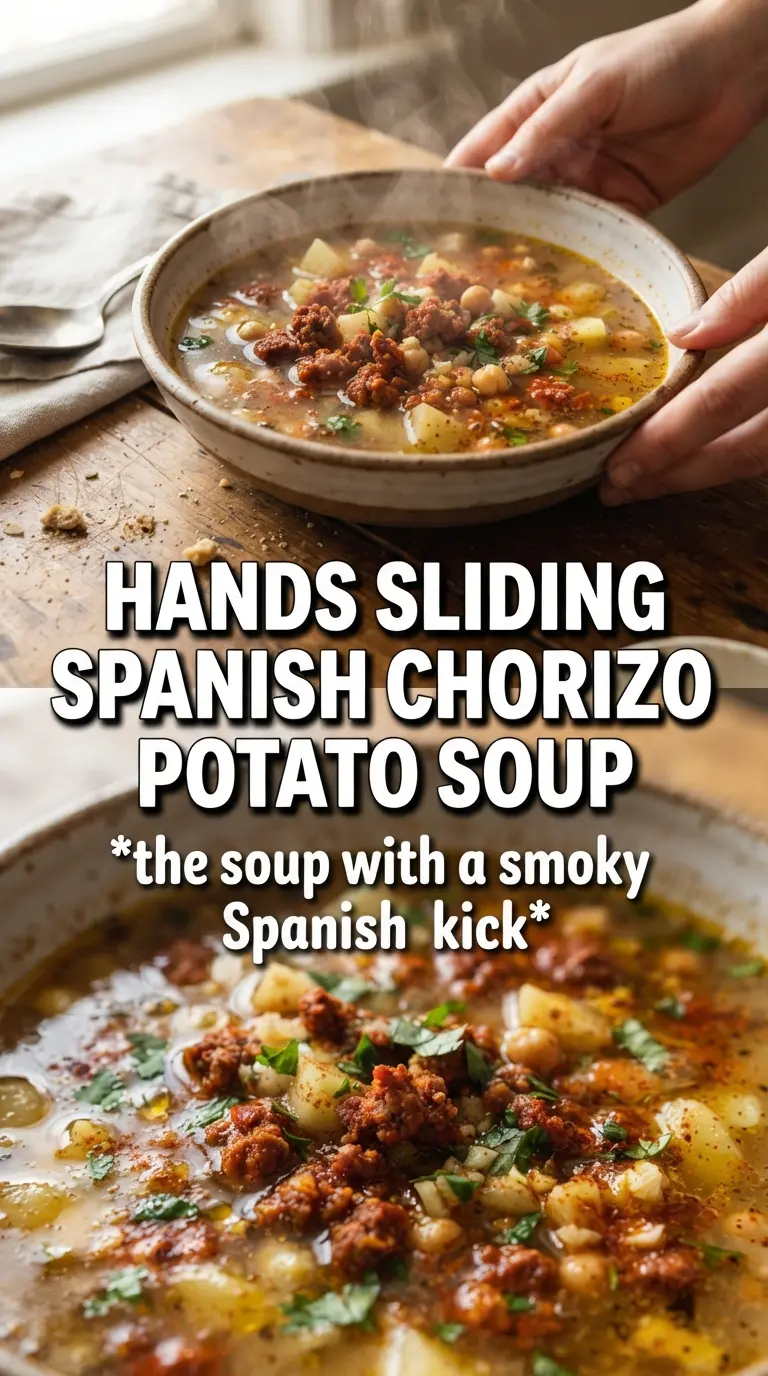
- Spanish chorizo — This is the backbone of the soup. Use the cured, smoky Spanish style here, not Mexican chorizo, which behaves differently and usually needs to be crumbled and fully cooked. The slices brown best in the pot and leave behind paprika-colored fat that seasons everything else.
- Yukon gold potatoes — Their waxier texture helps them stay intact while still turning creamy around the edges. Russets will thicken the broth more, but they also break down faster, which changes the whole feel of the soup.
- Smoked paprika — This doubles down on the chorizo and gives the broth its signature color. Fresh paprika matters more than usual here; old paprika turns dull and dusty fast, and the soup will taste flatter.
- White beans — These add body and protein without taking over the flavor. Cannellini or great northern beans both work. Drain and rinse them so the broth stays clean instead of cloudy and overly salty.
- Diced tomatoes — They bring acidity that keeps the soup from tasting heavy. Use a standard canned diced tomato, and don’t worry about making it fancy. The goal is a bright, savory base, not a thick tomato soup.
- Chicken broth — This stretches the soup into a full meal and gives the potatoes a savory cooking liquid. If your broth is very salty, hold back on seasoning until the end because the chorizo adds salt as it cooks.
How to Build the Broth Without Losing the Potato Texture
Brown the Chorizo Until the Fat Turns Brick Red
Heat the olive oil only if the chorizo needs help releasing fat; good Spanish chorizo usually gives you enough on its own once the pan warms up. Let the slices sit long enough to pick up some color before you move them around. If they only steam, the broth loses one of its best layers. Pull them out once they’re browned so they don’t overcook while the vegetables soften.
Sweat the Vegetables in the Drippings
Cook the onion and red bell pepper in the chorizo fat until the onion turns translucent and the pepper softens at the edges. That’s where the soup starts tasting rounded instead of sharp. Add the garlic only for the last minute so it turns fragrant, not bitter. If the pan looks dry, add a splash of broth rather than more oil.
Toast the Spices Before the Liquid Goes In
Stir in the smoked paprika, cumin, and turmeric and cook them briefly until they smell warm and earthy. This step wakes up the spices and helps them dissolve into the broth instead of floating on top. Add the tomatoes right after so the pan doesn’t scorch. Once the broth goes in, scrape the bottom well; those browned bits hold a lot of flavor.
Simmer the Potatoes Until They’re Tender at the Center
Add the potatoes and cook them at a steady simmer, not a hard boil. A rolling boil can break them apart before the centers are tender. Start checking at about 15 minutes with a fork; they should give easily but still hold a shape. When the soup is ready, the broth will look lightly thickened from the potatoes and beans, not cloudy from overcooking.
Finish With Beans, Chorizo, and a Clean Garnish
Stir the beans and browned chorizo back in for the last few minutes so they warm through without turning mushy. Taste before adding salt, because the chorizo and broth often bring enough already. Fresh parsley and a small drizzle of olive oil sharpen the final bowl and keep the soup from feeling too heavy.
How to Adapt This for a Lighter Bowl or a Different Pantry
Make it dairy-free and naturally gluten-free
This soup already fits both of those needs as written, which is one reason it’s such a useful weeknight meal. Just check that your chorizo and broth are gluten-free, since some brands use additives or flavoring that aren’t. The texture and flavor stay the same.
Swap the white beans for extra potatoes
If you’re out of beans, add another small potato instead of reaching for a different legume. The soup loses a little creaminess and protein, but the overall texture stays balanced. Chickpeas work in a pinch, though they’ll make the soup taste a little more rustic and less seamless.
Use smoked paprika with a milder sausage
If your chorizo isn’t very smoky, the paprika becomes even more important. You can use a little extra, but add it with the cumin so it has a chance to bloom in the fat. The soup will still be rich and savory, just less intensely sausage-forward.
Stretch it for more servings
Add another cup of broth and a small handful of extra beans if you need to feed a larger crowd. The soup will be a little lighter, but the flavor holds because the chorizo and spices are concentrated at the beginning. Taste again at the end and adjust salt after the extra liquid has had a minute to settle.
Storage and Reheating
- Refrigerator: Store in an airtight container for up to 4 days. The potatoes will absorb some broth, so the soup thickens a little as it sits.
- Freezer: It freezes well for up to 2 months, though the potatoes soften more after thawing. Freeze in portions and leave a little space at the top of the container.
- Reheating: Warm gently on the stove over medium-low heat with a splash of broth or water. Don’t boil it hard or the potatoes can break down too far and make the soup grainy.
Answers to the Questions Worth Asking
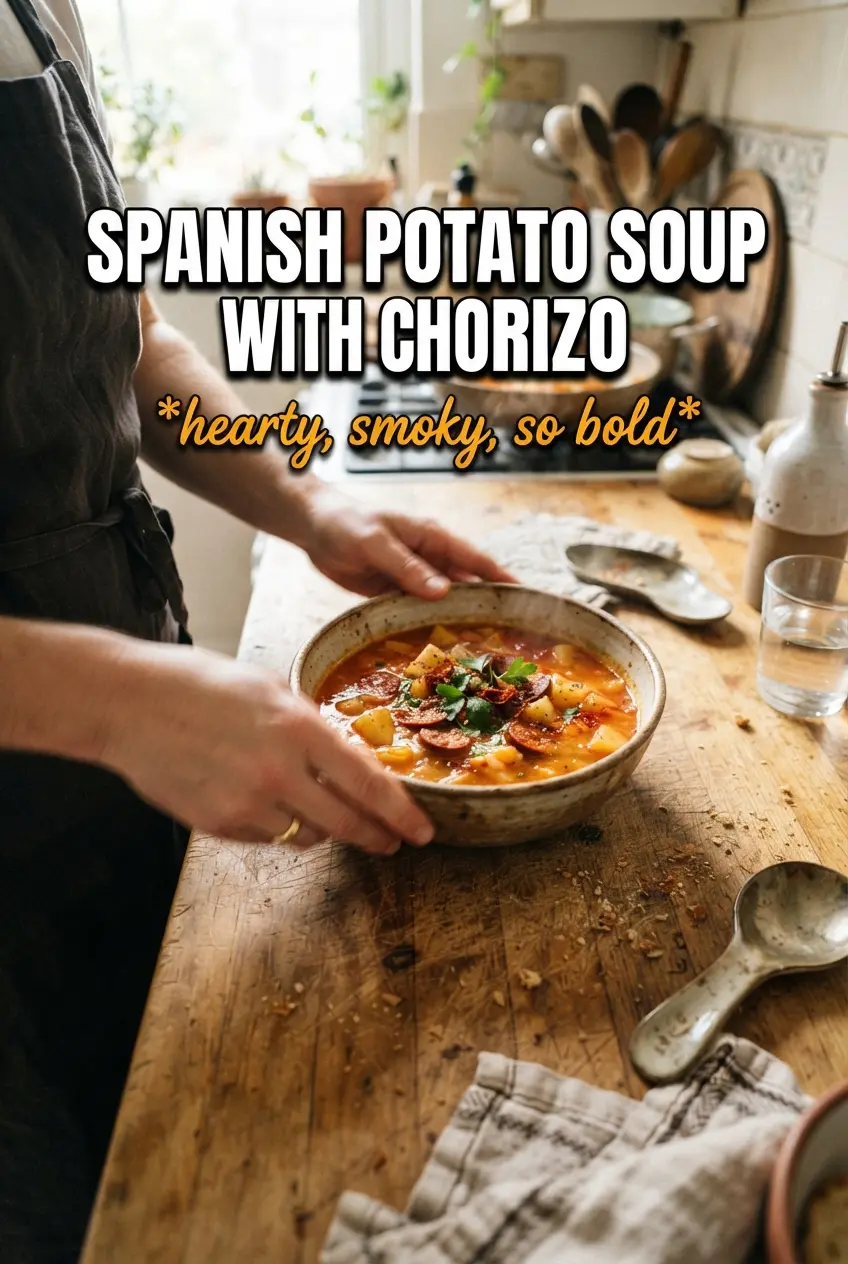
Spanish Potato Soup With Chorizo
Ingredients
Equipment
Method
- Heat olive oil in a large pot over medium heat, then cook the chorizo slices until browned and the fat has rendered, about 4 minutes.
- Remove the browned chorizo and set aside.
- Sauté the onion and red bell pepper in the chorizo drippings for 4-5 minutes until softened.
- Add the garlic and cook for 1 minute.
- Stir in the smoked paprika, cumin, and turmeric, then cook for 1 minute to bloom the spices.
- Add the diced tomatoes and chicken broth, then bring to a simmer.
- Add the cubed potatoes and cook 15-20 minutes, until tender.
- Add the white beans and the browned chorizo, then simmer 5 more minutes.
- Season with salt and pepper to taste, then garnish with fresh parsley and a drizzle of olive oil.